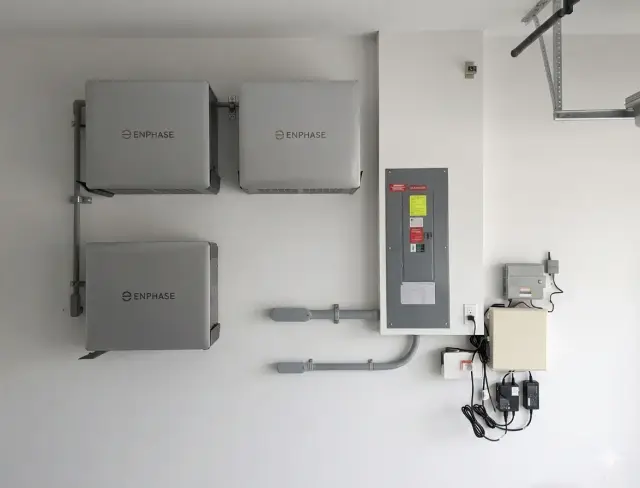
This photo shows a homeowner in 2026 who decided to add more solar to his existing system. Why? Because the savings from solar still make sense even without the federal tax credit.
Here's the honest answer to the question we get most: yes, solar can still be very much worth it in Florida in 2026, but the math changed this year, and you deserve the straight story before you spend a dollar.
First, the big change: the homeowner tax credit ended
For years, homeowners could claim a 30% federal tax credit on a residential solar system. That credit (the Section 25D Residential Clean Energy Credit) expired at the end of 2025. If you install solar on your home in 2026, you should plan as though there is no federal tax credit for it. Be skeptical of any installer still advertising "30% off" to homeowners — that window has closed.
We'd rather tell you that up front than have you find out at tax time. The good news is that the federal credit was never the whole story in Florida — the core economics still work.
Why solar still makes sense in Florida
- Florida sun is real money. The Sunshine State gets some of the best solar production in the country. More sun means more kilowatt-hours per panel, which means a system that pays for itself faster than the same system would up north.
- Electric rates keep climbing. Utility bills have risen steadily, and solar lets you lock in a large chunk of your energy cost. Every rate hike makes the power your roof produces more valuable.
- Net metering still credits you at retail rate. Florida's major utilities credit the surplus you export at the full retail rate — a quiet but huge driver of savings. (See how Florida net metering works.)
- It can raise your home's value. A paid-off solar system is an asset buyers increasingly look for — especially with batteries, given Florida's storms.
How to think about payback now
Without the homeowner credit, payback periods are somewhat longer than they were in 2025 — but for a well-designed system on a home with a decent electric bill, the payback is still measured in years, after which you're producing power for what is essentially the cost of maintenance. Over a 25-year system life, that's typically tens of thousands of dollars in avoided electricity costs.
The variables that matter most are your roof (orientation, shade, and condition), your current usage, and your utility's rates. That's why a real quote beats any online calculator: the answer depends on your roof and your bill.
When solar might not be worth it
We'll tell you when it's not a fit — heavily shaded roofs, a roof that needs replacement first, or a very low electric bill can all change the calculus. Honest, right-sized recommendations are the whole point; we'd rather earn a referral than oversell you a system you don't need.
The bottom line
Even without the homeowner tax credit, Florida's sun, rising rates, and retail net metering keep solar a strong long-term investment for the right home. The only way to know your number is to run it on your actual roof and bill. Get a free, no-pressure assessment and we'll show you the real payback — not a sales pitch.
This article is general information, not tax or financial advice. Tax rules change and depend on your specific situation — consult a qualified tax professional about how current federal and state incentives apply to you.