If you're looking at solar in Florida, "net metering" is the single most important policy you should understand. It's what lets your roof bank the extra power it makes on sunny afternoons and pull it back at night — and it's a big part of why solar pencils out here.
What net metering actually is
Your solar array usually makes the most power in the middle of the day — often more than your home is using at that moment. Net metering lets you send that surplus back onto the grid and receive a credit for it. After the sun goes down, you draw power from the grid and those credits are applied against what you use.
Think of the grid as a giant battery you're allowed to borrow against. Your utility meter runs forward when you pull power and effectively backward when you push it out. At the end of the billing cycle, you pay for your net consumption — hence "net" metering.
How it works in Florida
Florida's investor-owned utilities — including Duke Energy Florida, Florida Power & Light (FPL), and Tampa Electric (TECO) — are currently required to offer net metering, and the surplus you export is credited at the full retail rate. In practice that means a kilowatt-hour you send to the grid is worth about the same as a kilowatt-hour you buy back.
There was a 2022 effort in the legislature to roll Florida's net-metering rules back, but it was vetoed and full retail net metering stayed in place. Policies can change over time, and municipal utilities and co-ops set their own rules — so the right move is always to confirm the current tariff for your specific utility before you size a system. That's part of what we do for every customer.
Why net metering matters for your savings
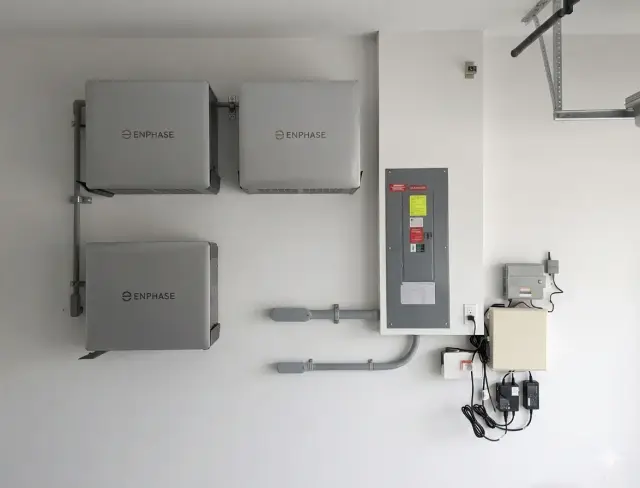
- It rewards a right-sized system, not an oversized one. Because exports are credited at retail, you don't need a battery just to capture daytime surplus — the grid stores it for you. (Batteries are about backup power during outages, which is a different job.)
- It smooths out the seasons. You'll typically overproduce in the long, sunny months and lean on banked credits in shorter or cloudier ones.
- It protects you from rate hikes. When utility rates climb, the value of the power you generate climbs right along with them.
What about true-up and excess credits?
Most Florida utilities track your credits month to month and "true up" once a year. If you finish the year with leftover credits, you're generally paid out — though usually at a lower wholesale rate than retail. The practical lesson: a system designed to roughly match your annual usage almost always beats one deliberately built to dump a big surplus onto the grid. Honest sizing wins.
The bottom line
Net metering is the quiet engine behind Florida solar economics. Understand it, size your system to your real usage, and confirm your own utility's current rules — and solar becomes a far more predictable investment. If you'd like, we'll pull your usage and show you exactly how net metering would play out on your bill. Request a free, no-pressure quote and we'll walk you through the numbers.